Natural Light
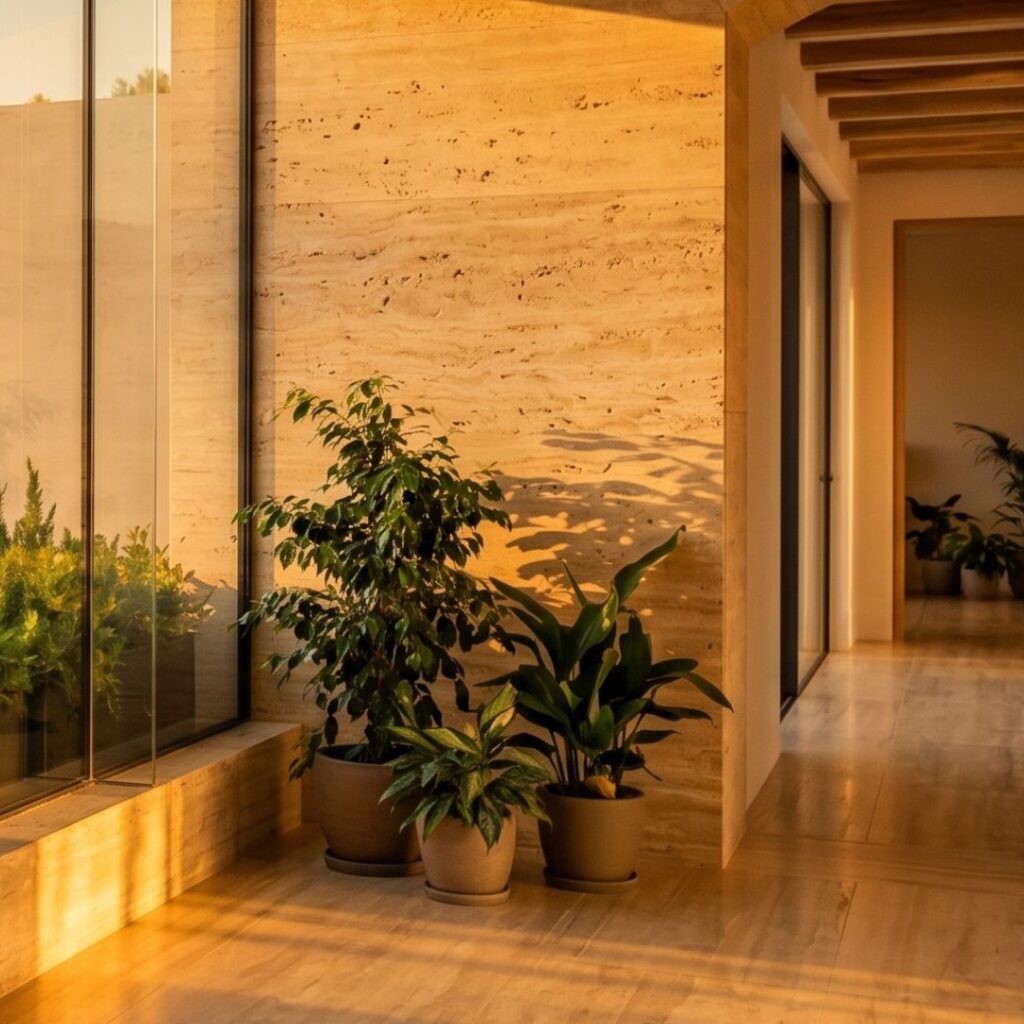
Floor-to-ceiling windows invite the sun to become part of your daily rhythm, creating spaces that breathe with the movement of the day.

Our Vision
Conceptual Design by Carlos Ott
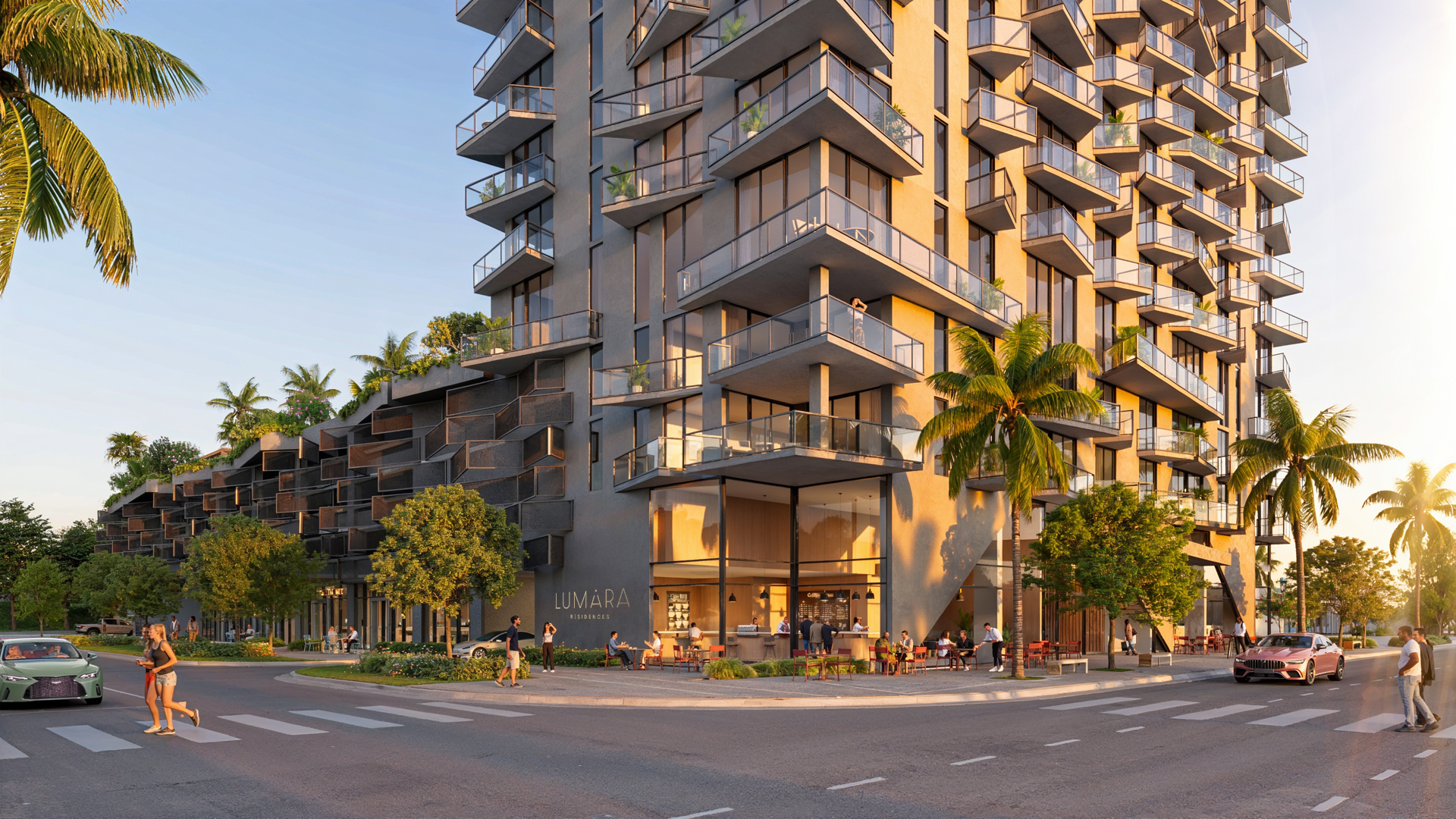
There is a specific quality that the best residences share — not a finish or a floor plan but a feeling. The feeling of a space designed around the hours spent inside it rather than the impression made from outside it. At Lumara, that feeling begins with the architecture. Carlos Ott and Frankel Benayoun Architects bring to North Miami a building of rare formal conviction: a continuous exoskeleton of interlocking concrete that filters the light, protects the life within, and gives the tower a presence on the street that is unmistakable before you have read a single word of the signage.
Inside, the spaces speak in warmth — natural materials that hold light and deepen with time, finishes that feel as considered at midnight as they do at noon, spaces that bring softness, balance, and presence into the everyday without announcing it. Modern living meets tropical refinement throughout. Every line, every material, every proportion considered not for the impression of opening day but for the quality of the years that follow.

Design intention

Floor-to-ceiling windows invite the sun to become part of your daily rhythm, creating spaces that breathe with the movement of the day.

Nature is woven into the design through greenery, natural materials, and thoughtful outdoor spaces that deepen with time.

From stone to wood to metal, every finish is selected for beauty that deepens with age, not trends that fade.
The Name
Lumara takes its name from two Latin roots that have been waiting, quietly, to become the same word. Lumen — light, the measure of what a space emits, the quality of radiance that fills a room before you can identify its source. And ara — the altar, the surface where something precious is brought and set down with intention. Together, they name a single idea: light carried to its destination and held there. Not the source of the light — the place it reaches. The amber that fills a room when the day finally lets go. The glow that exists only when you are finally still.
This is the quality Lumara was built to hold. The specific warmth of a limestone wall in the late afternoon that has absorbed the sun all day and is still releasing it at midnight. The amber of a space that receives you without asking anything in return — where the door closes, the weight of the day lifts, and the building simply holds you, in the best possible light. Not a building designed for spectacle or for the occasion. For the Tuesday. For the moment of arrival that most addresses overlook, and this one was entirely designed around. Where light has chosen to remain — and so, eventually, will you.